
Blog

  • How Does RemixOS Compare to Chrome OS?

    How Does RemixOS Compare to Chrome OS?

    In the world of lightweight operating systems designed for speed, simplicity, and cloud-based computing, two names often come up in comparison: RemixOS and Chrome OS. Both systems aim to deliver a fast and efficient user experience, but they come from very different philosophies and target different types of users. RemixOS is based on Android and tries to bring a desktop-like experience to mobile apps, while Chrome OS is built by Google as a cloud-first operating system centered around web applications. Understanding how they compare requires looking at their design, performance, usability, app ecosystems, and overall purpose.

    Origins and Design Philosophy

    RemixOS was developed by Jide Technology as a modified version of Android designed for desktop and laptop computers. Its goal was to transform the mobile Android experience into something that could function like a traditional PC operating system. It introduced features such as a taskbar, resizable windows, and right-click support, making Android apps more usable in a desktop environment.

    Chrome OS, on the other hand, was created by Google with a completely different vision. It is based on the Linux kernel and is designed around the Chrome browser. Instead of focusing on running traditional desktop applications, Chrome OS prioritizes web applications, cloud storage, and seamless integration with Google services. Over time, it has also gained support for Android apps and Linux applications, but its foundation remains cloud-centric.

    User Interface and Experience

    The user interface is one of the most noticeable differences between the two systems. RemixOS mimics a traditional desktop environment closely. It includes a Start menu-like launcher, a taskbar at the bottom, and a windowed multitasking system that feels familiar to Windows users. Users can open multiple apps in resizable windows, drag them around, and use keyboard and mouse inputs just like on a PC.

    Chrome OS also uses a desktop-like interface, but it is much simpler and more minimalistic. It features a shelf at the bottom for pinned apps, a launcher for searching apps and files, and windows for applications. However, Chrome OS originally focused on single-window web apps, and even though it now supports multitasking, its design remains more streamlined and less flexible compared to RemixOS.

    Performance and System Requirements

    Performance is another key area of comparison. RemixOS was designed to run on low to mid-range hardware, especially older PCs that could not run full Windows smoothly. Because it is based on Android, it is relatively lightweight and can boot quickly. However, its performance depends heavily on how well Android is optimized for the hardware, and compatibility issues can sometimes affect stability.

    Chrome OS is known for its exceptional performance and stability. It is optimized to run efficiently even on low-end hardware such as Chromebooks with limited RAM and storage. Since most applications run in the browser or through cloud services, the system does not require heavy local processing power. This makes Chrome OS generally more stable and consistent compared to RemixOS.

    Application Ecosystem

    One of the most important differences lies in the type of applications each system supports. RemixOS runs Android applications, which means users have access to millions of apps from the Google Play Store. This gives it a massive ecosystem of mobile apps, games, and utilities. However, not all Android apps are optimized for desktop use, which can sometimes lead to a clunky experience.

    Chrome OS originally relied heavily on web-based applications available through the Chrome browser. Over time, Google added support for Android apps through the Google Play Store and Linux applications through Crostini. This makes Chrome OS more versatile today than it used to be. While RemixOS is limited to Android apps, Chrome OS offers a hybrid ecosystem that includes web, Android, and Linux software, making it more flexible for productivity and development tasks.

    Productivity and Multitasking

    RemixOS shines in multitasking because of its desktop-like Android environment. Users can open multiple apps in windows, switch between tasks easily, and even use keyboard shortcuts. This makes it feel closer to a traditional computer experience compared to standard Android tablets.

    Chrome OS, however, takes multitasking further by combining web apps, Android apps, and Linux tools. It is designed for productivity in a cloud environment, where users can rely on Google Drive, Docs, Sheets, and other online services. The system also supports split-screen multitasking and virtual desktops, which enhance productivity for both casual and professional users.

    Internet Dependency and Offline Use

    RemixOS does not rely heavily on internet connectivity since Android apps can often function offline. Many games, media apps, and utilities work without needing constant access to the web. This makes RemixOS more flexible in offline environments.

    Chrome OS, in contrast, is heavily dependent on internet access. Although it has improved offline capabilities over time, especially with Android and Linux app support, its core functionality is still tied to cloud services. Without internet access, Chrome OS becomes more limited compared to RemixOS.

    Security and Updates

    Security is a major strength of Chrome OS. It uses a sandboxed environment for applications, verified boot processes, and automatic background updates. This makes it extremely resistant to viruses and malware. Users do not need to worry much about manual updates or system maintenance.

    RemixOS, being based on Android, inherits some of Android’s security features but does not offer the same level of system-wide protection as Chrome OS. It also lacks the same robust update system. Since RemixOS is no longer actively developed, its long-term security and support are concerns.

    Target Audience

    RemixOS was mainly aimed at users who wanted to turn their PC into an Android-powered desktop. It appealed to those who preferred mobile apps but wanted a larger screen and keyboard input experience.

    Chrome OS is designed for a broader audience, including students, professionals, and casual users who rely on web services. It is especially popular in educational environments due to its simplicity, affordability, and centralized management features.

    Conclusion

    When comparing RemixOS and Chrome OS, it becomes clear that both systems were built with different goals in mind. RemixOS focuses on bringing Android apps into a desktop-like environment, offering flexibility and familiarity for mobile users. Chrome OS, however, is built around the cloud, prioritizing speed, security, and integration with web services.

    While RemixOS offers a more open and app-rich experience, Chrome OS delivers a more stable, secure, and modern computing environment. For most users today, Chrome OS is the more practical choice due to its ongoing development and wider ecosystem. RemixOS remains an interesting experiment in merging Android with desktop computing, but Chrome OS has evolved into a more complete and widely adopted operating system.
  • From Airport Waiting Rooms to Hotel Nights: The Rise of Micro Leisure

    From Airport Waiting Rooms to Hotel Nights: The Rise of Micro Leisure

    Big moments are often how people describe travel: walking down a new street for the first time, tasting a local cuisine, visiting a landmark or a new city. But, there are also the smaller stops that don’t often show up in travel photos. A boarding call, a slow check-in to the hotel, a train journey from one city to another, a quiet hour before bed or after a hectic day. 

    These pauses have changed. Many travelers now use them for short digital breaks that fit into the empty spaces of a journey. A few minutes of music, a quick game, a short video, or a familiar mobile platform can make waiting feel lighter. During these gaps, some travelers may open entertainment options such as desi play when they want a brief, easy distraction that does not require planning or extra energy.

    Travel Is Full of Small Waiting Zones

    What can be easy on the travel plan is not at all easy in reality. Airports, early arrivals. Hotels do not guarantee rooms at their hotel before check-in. Lines can be found at tourist attractions. Public transport is not always on the right train at the right time. Even with a well planned vacation there are pockets of unused time.

    These breaks are not long enough for an entire activity, but long enough to impact mood. A hundred minutes can seem like an hour when there’s a lot of luggage around, your body is exhausted, and there’s nothing you need to be doing. This is why people tend to resort to the easiest gadget on hand: a smartphone.

    These are the spaces that micro leisure emerges from. Does not require a special place or lengthy setup. It can be used in the airport chairs, hotel lobbies, buses, cafes and rented apartments. The appeal is functional. A traveller can unwind without the trouble of re-packing, rerouting and overspending.

    The phone turns into a pocketed waiting room friend. It occupies the space between motion and rest. 

    Why Short Digital Breaks Feel Natural While Traveling

    Your brain is constantly challenged when traveling. All travel decisions are made, even if the travel is enjoyable, where to go, how to get there, what to eat, when to leave and what to book next. The day can get busy due to various streets, signs, languages, transport options and local customs. 

    Short digital breaks offer something familiar. The screen layout, app habits, saved preferences, and usual forms of entertainment stay the same even when the city changes. That familiarity can feel grounding after hours of new impressions.

    This does not mean travelers want to disconnect from the destination. Often, they need a small pause before returning to it. A short mobile break can help separate one part of the day from another. It can make a long transfer feel less dull. It can help a tired traveler relax before sleep.

    The strongest micro leisure moments usually share a few traits:

    • They are short and easy to stop.
    • They require little mental effort.
    • They work on mobile data or hotel Wi-Fi.
    • They feel familiar without demanding full attention.
    • They fit into waiting time without replacing the trip itself.

    This is why mobile entertainment fits travel downtime so well. It gives people something light to do when a larger activity would feel inconvenient.

    The Hotel Room Has Become a Digital Rest Space

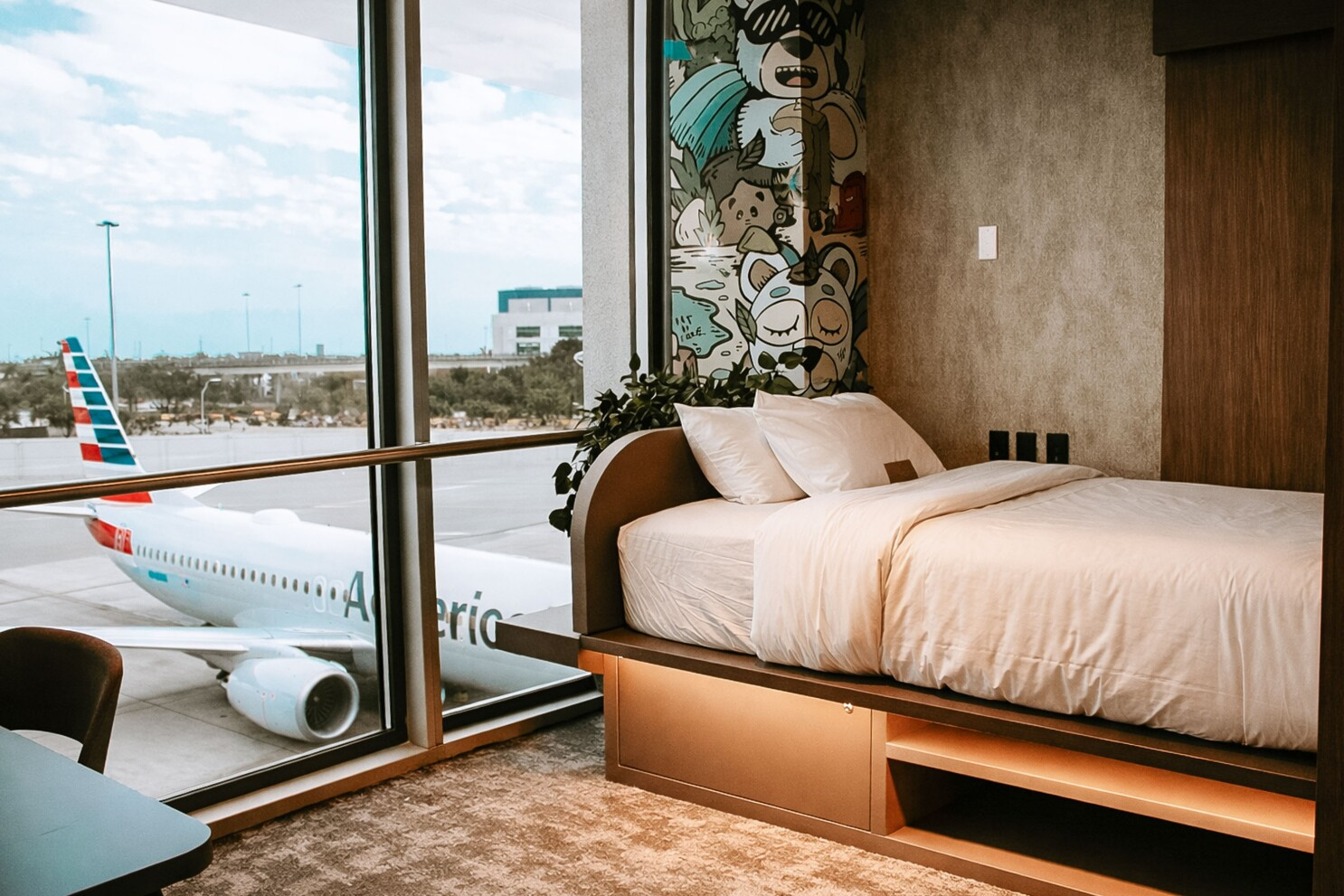
    Hotels used to signal the end of the day. The room was a place to shower, call home, watch television, and sleep. For many travelers, it is now also a personal digital space. After sightseeing, meetings, walking, or transit, the hotel room becomes the one place where there is no need to react to the outside environment.

    This setting is ideal for micro leisure. The traveler is already indoors. The pressure to explore has lowered. Shoes are off. Plans for the next day may already be set. A phone can offer light entertainment without the energy required to go back out.

    Late hotel hours are different from airport waiting. The mood is slower. Travelers may want calmer content, quiet games, messages with friends, local research for the next day, or entertainment that feels easy to leave. The best digital choices in this moment should support rest, not stretch the night endlessly.

    That boundary matters. Hotel downtime should help the body recover from the day. If a short break turns into hours of restless scrolling, the next morning can feel heavier. Micro leisure works best when it respects the purpose of the room: recovery, comfort, and reset.

    Familiar Habits Travel Across Borders

    People don’t leave their digital behaviours at home. During the day, a traveller can discover new food, architecture and culture while in the day, returning to familiar apps at night. This isn’t a traveller’s fault. It’s a part of someone’s novel-comfort ratio.

    These preferences are also influenced by regional customs. Some travelers like to use messaging applications. Some prefer short videos, mobile games, music, sports news or local entertainment sites. Convenience is influenced by language, payment, internet speed, device and personal routine.

    This behavior is important for travel-based platforms and content producers. Travel tips are typically about what they should see and where they should go. These days, travel is not just about the getting there and the getting back, it’s also about the sleep in between. A helpful guide will be able to see that downtime is part of the process.

    Micro leisure is also an indication of a change in travel preferences. People want flexibility. They can make the long bits of the journey well planned, but allow some flexibility for the odd bits. Those breaks are flexible with the phone. Within an hour, it can be a map, a camera, a translator, a booking tool, notebook, and entertainment hub. 

    Healthy Boundaries Make Micro Leisure Better

    Micro leisure is most useful when it has limits. A five-minute game during boarding can feel refreshing. An entire evening lost to a screen in a city worth exploring may feel disappointing later. The difference is intention.

    Travelers can use digital breaks without letting them take over the journey. The easiest rule is to match the screen activity to the moment. Waiting at a gate is different from standing in front of a historic street. A hotel wind-down is different from a sunrise walk. Some moments deserve the phone. Others are better without it.

    Good boundaries can stay simple:

    • Use screens during unavoidable waiting, not during meaningful experiences.
    • Set a clear endpoint before opening entertainment apps.
    • Keep late-night mobile use calm and brief.
    • Avoid checking the phone during meals that are part of the travel experience.
    • Let the destination take priority when something memorable is happening.

    These habits protect the value of the trip. Digital leisure should make travel smoother, not smaller.

    Small Breaks Are Now Part of the Journey

    The rise of micro leisure is related to the changes in travelling. Trips are more mobile, more connected, and more dependent on the smartphone than ever. It’s the same device that keeps you from losing your boarding pass and hotel reservations that entertains you in those quiet moments.

    That’s not necessarily a bad or good change. This is dependent on what the phone is used for. Little digital interruptions can help to lessen delays, smooth out already heavy nights and provide comfort to travellers while away from home. They can also get in the way of the purpose of the trip if they become routine, endless.

    The optimum micro leisure is a balance. Respects the City, the trip, and the need to rest. It provides a little respite to the traveller during the allotted time between activities and enables them to come back to the world with a little more patience and energy. 

  • Hello world!

    Welcome to WordPress. This is your first post. Edit or delete it, then start writing!

  • Exploring Capri: Scenic Hiking Trails and Luxury Hotel Retreats

    Exploring Capri: Scenic Hiking Trails and Luxury Hotel Retreats

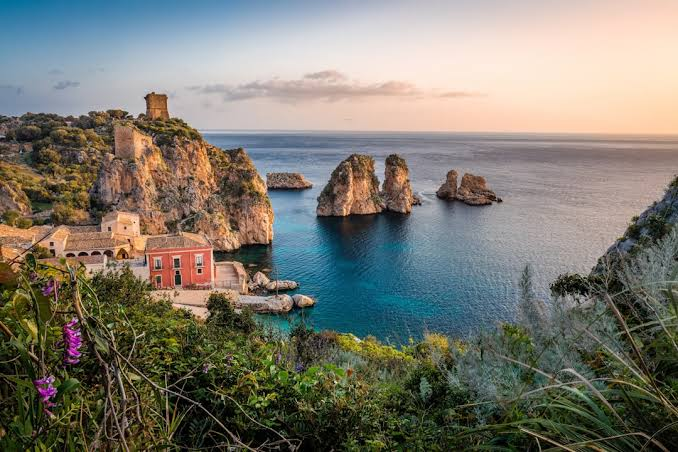
    The island of Capri, rising from the deep blue waters of the Tyrrhenian Sea, has long been a symbol of Mediterranean glamour. While many visitors flock to its famous Piazzetta for people-watching or take boat tours to the glowing Blue Grotto, there is an entirely different side to this Italian paradise. Away from the bustling shopping streets lies a rugged, dramatic landscape of limestone cliffs, fragrant pine forests, and quiet paths that offer some of the most spectacular coastal views in the world.

    For those who wish to experience the island beyond the postcard clichés, embarking on a journey along its historic footpaths is essential. Participating in Hiking in Capri reveals a sanctuary of natural peace. One of the most iconic routes is the Sentiero dei Fortini, or the Path of the Little Forts. 

    This historic trail winds along the western coast of the island, connecting ancient military blockhouses that once protected Capri from invaders. Walking this path, you are treated to a sensory explosion of wild rosemary, Mediterranean scrub, and the relentless sound of waves crashing against the rocks below.

    Another breathtaking route is the climb up Mount Solaro, the highest point on the island. While a chairlift from Anacapri offers a leisurely ride to the top, walking the trail allows you to fully appreciate the changing vegetation and the dramatic vertical cliffs. From the summit, the entire island unfolds beneath you like a map, with the iconic Faraglioni rocks rising from the sea and the distant Amalfi Coast visible on a clear day.

    To preserve these memories forever, having a reliable camera is indispensable. The unique quality of light on Capri, especially during the golden hours of sunrise and sunset, is a dream for photography enthusiasts. Bringing along a Canon camera, such as the lightweight Canon EOS R50, ensures that you can capture the vivid blues of the sea and the rugged textures of the limestone paths without feeling weighed down during a steep ascent. For those who want to capture every fine detail of the dramatic coastal vistas, a full-frame model like the Canon EOS R6 Mark II offers incredible dynamic range and performance in changing light conditions.

    After a day of exploring the rugged terrain, the transition to comfort and indulgence is what makes a trip to Capri truly unforgettable. Finding the perfect base is key to experiencing this balance. Choosing a luxury hotel in capri provides an elegant sanctuary where you can rest and rejuvenate. Anacapri, situated higher up on the island, offers a more tranquil atmosphere than the bustling Capri town, making it the ideal location for a restful retreat.

    A high-end stay on the island is not just about a place to sleep; it is an immersive experience. From stunning wellness facilities that soothe tired muscles after a long hike to world-class dining that celebrates local flavors, the hospitality here is legendary. You can spend your afternoon enjoying a personalized spa treatment, followed by a refreshing swim in a pool that seems to merge with the horizon.

    As evening falls, the culinary heritage of the region takes center stage. A perfect day on the island concludes with a meal featuring fresh seafood, sun-ripened tomatoes, local olive oil, and the famous Caprese salad. Paired with a glass of crisp regional wine, the flavors of the land and sea come together to create a dining experience that is both simple and incredibly refined.

    Final Words

    Capri is a destination of beautiful contrasts. It challenges you with its steep mountain paths and rewards you with some of the most spectacular views in Europe. It invites you to explore its wild, untamed nature by day, and wraps you in total luxury by night. By combining the physical adventure of the island’s hiking trails with the sophisticated comfort of a world-class resort, you create a travel experience that is both restorative and deeply inspiring. The memories of the sea breeze, the scent of wild herbs, and the golden light over the cliffs will remain with you long after you leave, captured beautifully in your photographs.