Think back to the first time you played a game with someone who was sitting miles away. Maybe it was a quick match after school, a late-night battle with friends, or a simple big777 alternatif puzzle shared through a computer. The experience felt almost magical. Suddenly, distance did not matter.
That feeling captures the heart of modern gaming. Entertainment has moved from living rooms and local arcades into a connected digital world where players can meet, compete, explore, and create together. The journey has been remarkable. What began with basic graphics and limited connections has grown into an enormous entertainment culture that reaches millions of people every day.
The biggest change is not simply better technology. It is the way games have become part of everyday life.
From Simple Screens to Living Digital Worlds
Early video games were often straightforward. Players had a few buttons, a small screen, and one clear objective. The fun came from mastering the controls and beating a personal high score.
Then computers became more powerful. Internet connections improved. Games could suddenly connect players from different cities and countries. Instead of competing against a machine, people could test their skills against real opponents.
This changed everything.
A teenager in Lahore could compete with someone in London. A group of university friends could stay connected during a weekend apart. Even families separated by distance could find a shared activity through gaming.
The experience became social.
Developers also started creating larger worlds. Characters gained deeper personalities. Stories became more detailed. Players could customize their appearance, build virtual spaces, complete missions, and make decisions that shaped their experiences. Gaming slowly moved beyond simple entertainment and became an interactive form of storytelling.
The Rise of Mobile Gaming
One of the biggest turning points came when smartphones became powerful enough to handle sophisticated games.
Before this shift, gaming often required a computer or dedicated console. Mobile technology removed that barrier. A person waiting for a bus could play a quick match. Someone relaxing during lunch could complete a challenge. A few minutes of free time could become an exciting adventure.
This accessibility helped bring gaming to a much wider audience.
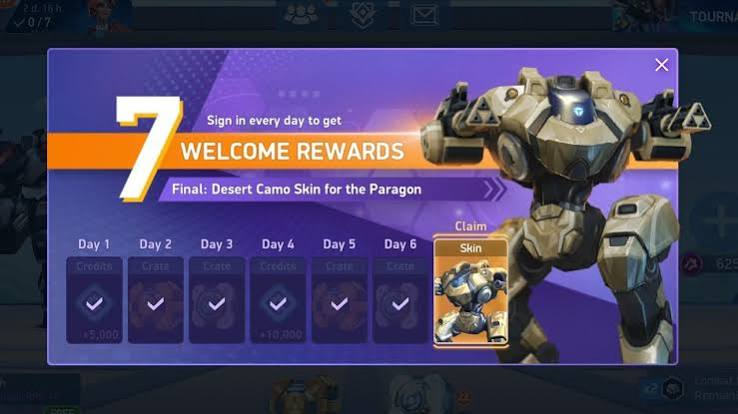
Mobile games also introduced a different style of play. Some experiences take only a few minutes, while others encourage players to return every day. Notifications, rewards, seasonal events, and new challenges keep the experience fresh big777suksessip.com.
For many people, gaming is no longer something reserved for a particular time or place. It can fit naturally into the rhythm of the day.
Online Game Communities Become Social Spaces
What happens when millions of players share the same digital spaces?
Communities form.
Modern gaming is filled with conversations, friendships, rivalries, teams, and fan groups. Players communicate through voice chat, messaging platforms, livestreams, and online forums. Some friendships that begin during a match continue for years.
Consider a group of friends who meet online every Friday night. They may live in different neighborhoods or even different countries. Yet once they enter the same virtual world, they share jokes, celebrate victories, and complain about unlucky moments together.
That social connection is one reason gaming remains so powerful.
It also explains the growth of livestreaming and esports. Watching skilled players compete has become entertainment in its own right. Viewers do not simply watch the gameplay. They follow personalities, teams, rivalries, and stories.
Technology Makes Gaming More Immersive
Technology continues to push gaming forward.
High-speed internet allows smoother multiplayer experiences. Better graphics make digital environments feel more realistic. Cloud technology can reduce the need for expensive hardware in some situations. Virtual and augmented reality are also changing how players interact with digital spaces.
Imagine putting on a headset and looking around a virtual environment rather than watching it through a flat screen. Instead of pressing a button to move a character, you might physically turn your head or reach toward an object.
The line between watching entertainment and experiencing it is becoming thinner.
Artificial improvements in sound, animation, physics, and interactive storytelling are also giving developers more creative freedom. Games can now create emotional moments that would have been difficult to imagine decades ago.
The Online Game Is Becoming More Than Entertainment
Gaming has also influenced culture outside the gaming world.
Music artists collaborate with game developers. Films inspire virtual events. Fashion brands create digital items. Sports organizations build gaming communities. Even educational institutions sometimes use interactive experiences to make learning more engaging.
This wider influence shows how deeply gaming has entered modern culture.
Of course, challenges remain. Excessive screen time, unhealthy spending habits, toxic behavior, and poor online experiences can create real problems. Responsible gaming matters. Players need healthy boundaries, and developers have a role in creating safer communities.
Still, the positive possibilities are enormous.
Gaming can encourage teamwork, strategic thinking, creativity, communication, and persistence. Losing a difficult match can be frustrating, but trying again teaches an important lesson: failure does not always mean the end.
What Comes Next?
The future of gaming is difficult to predict, and that is part of its excitement.
Perhaps virtual worlds will become even more interactive. Maybe players will move seamlessly between different devices. New forms of social gaming could make digital communities feel increasingly personal.
What is certain is that the journey will continue.
The history of gaming shows how quickly entertainment can change when creativity meets technology. From simple screens to expansive digital worlds, the experience has become more personal, social, and immersive than ever before.
So, the next time you pick up a controller or open a game on your phone, take a moment to appreciate how far the medium has come. You are not simply pressing buttons. You are taking part in a constantly evolving culture. And who knows? The next great chapter may already be waiting on the other side of the screen.
Leave a Reply